What is the Joint Thames Strategy?
A shared toolkit providing the information underpins and aligns the four individual Thames Strategies. One way of describing it is that the Joint Thames Strategy provides an ‘Executive Summary’ that supports the four ‘chapters’ created by the individual Thames Strategies.
“The four Thames Strategies and the JTS will provide a handbook for change to ensure future flood risk resilience across the river Thames in the context of increasing flood risk, a day-to-day link between the river landscape, statutory partners, boroughs and the community. In this way, boroughs can use the JTS to inform their riverside strategy approach.”
Critically, the Joint Thames Strategy and the four individual Thames Strategies will, when taken collectively, address a fundamental objective of the TE2100 Plan which is to ‘to ensure that the flood defence line is continuous.’
The focus of the JTS is updating of three existing Thames Strategies and the creation of a new strategy. These being:
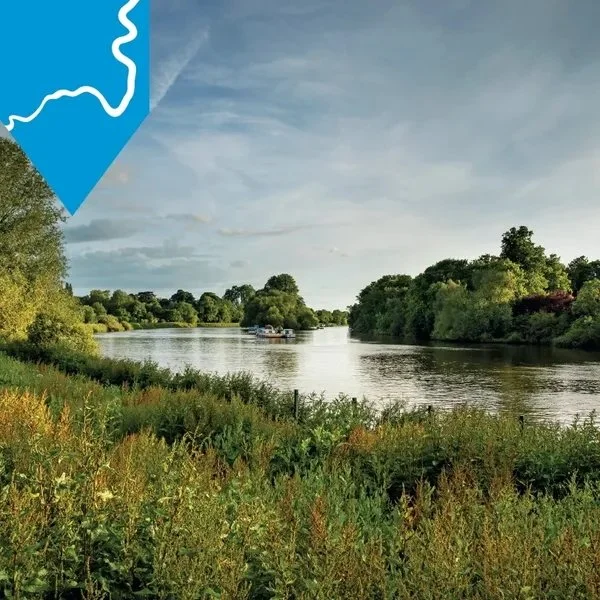
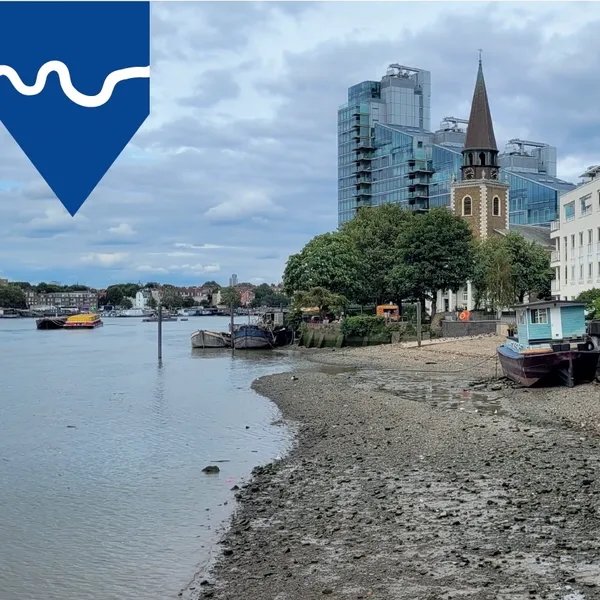


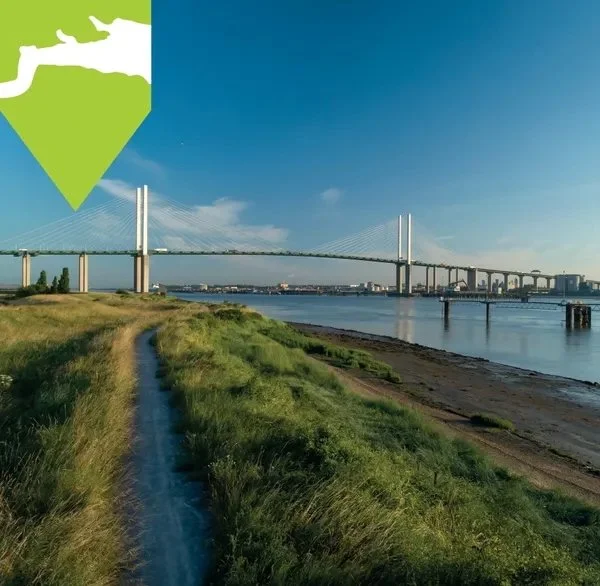
Thames Strategy Kent & Essex (TBC*)
*There is an ambition for a fifth strategy to be created to cover the Thames Estuary within Kent and Essex. Two separate RFCC’s cover this area.
-
The four strategies will provide a geographically continuous framework to enable local authorities and other public bodies to deliver the adaption and mitigation measures needed to support the TE2100 Plan.
TE2100’s 10-year review recommended the creation of Riverside Strategies. By embedding the TE2100 plan Riverside Strategy approach principles/objectives into the Thames Strategies it means that they can be used by individual local authorities to form the basis of their Riverside Strategies. This will save time and money for local authorities and achieve the TE2100 Plan’s timeline for having Riverside Strategies in place. It will also avoid confusion at the local community level which could be created by multiple pieces of work being undertaken by different bodies.
An overarching Joint Thames Strategy will also be produced which will provide the strategic context within which the project is being delivered including the policy and legislative context.
‘A toolkit providing the information that underpins and aligns the four local strategies.’
It will be informed by the outputs from the work undertaken as part of the four Thames Strategies. Importantly, taking a consistent methodological approach to the work being undertaken for the individual strategies,and covering a continuous geographic area, will provide a key mechanism for delivering the TE2100 Plan’s objective of having continuous flood defences along the tidal Thames. At present this covers the extent of the tidal Thames within the Thames RFCC’s area of remit.
-
The existing Thames Strategies were prepared to provide a long-term vision for individual stretches of the River Thames (the River) and its immediate environs. They respond to the built and natural character of the River and identify opportunities for enhancement. Their development took an inclusive approach by working with both key organisations and local communities.
Recognising the need to adapt to climate change along the Thames Estuary (which covers the extent of the tidal Thames) the existing Strategies provide an existing ‘place-based’ context that already respond to many of the objectives that the Environment Agency have identified through its Thames Estuary 2100 Plan (the TE2100 Plan) and, in particular, many of the key requirements identified in its ‘Riverside Strategy pproach.’
‘Managing flood risk as sea levels rise will mean reshaping our riversides. This is an opportunity to create additional benefits. We want to provide benefits to people, the economy and the environment. Some examples of benefits include:
better opportunities for leisure and recreation, such as riverside paths
improved health and wellbeing, for instance by creating more green space for people to enjoy
creating new wildlife habitat
natural carbon storage, for example by creating saltmarshes
protecting landscapes
protecting historic buildings, such as the Tower of London
Source: TE2100 website ‘Creating Benefits and riverside strategies’
Importantly the existing Thames Strategies and their associated Partnerships are well established, have a strong local perspective, and are already used by many local planning authorities in the programme area.
-
In response to increasing flood risk from climate change, the Joint Thames Strategy provides a "handbook for change" from Surrey to the Sea. It aligns four local Thames Strategies into one cohesive vision, embedding the Environment Agency's TE2100 Riverside Strategy approach. By working collaboratively, the Thames Strategy Partnership empowers local communities and authorities to integrate enhanced flood resilience with wider benefits—creating a more vibrant, accessible, and economically robust Thames for future generations.
Engage, Empower and Enhance
Delivery Partners
There are three established partnerships who are leading and delivering this work, who together form the Thames Strategy Partnership. This is a collaborative effort between the Thames Landscape Strategy Partnership, Thames Estuary Partnership and Thames Strategy Kew to Chelsea Partnership sharing 30 years of expertise shaping the Thames' future.
Click on a logo for more partner info
Strategic Partners
The London Borough of Richmond Upon Thames (LBRuT) is the ‘accountable body’, ensuring that the project is delivered in time and to budget and the Joint Thames Strategy programme is being funded through £1.741million of grant funding from the Thames Regional Flood and Coastal Committee (the Thames RFCC).
Click on a logo for more partner info

Stakeholder Advisory Group
One of our main aims is to accurately reflect the real character, opportunities and challenges on the riverside. As such, our programme also integrates a number of key stakeholders, including landowners, community groups and councils within the strategy regions.
We have also established a Stakeholder Advisory Group which meets on a regular basis. The Group provides an opportunity to garner a strategic overview from the individual organisations’ perspectives, and to take a coordinated approach between the work being undertaken through this programme and relevant activities being undertaken by the stakeholders. The core membership is comprised of representatives from the Greater London Authority, Port of London Authority, Natural England, Historic England and the Environment Agency (TE2100 Plan).
Click on a logo for more partner info